Canopy Gazing
Lie beneath trees and observe the canopy above. Watch branches sway, light filter through leaves, and clouds pass between gaps.
Structured woodland immersion routines that may help you feel calmer, quieter in mind, and more present among trees.
Slow, purposeless presence in forested areas as a practice of allowing restoration to happen naturally.
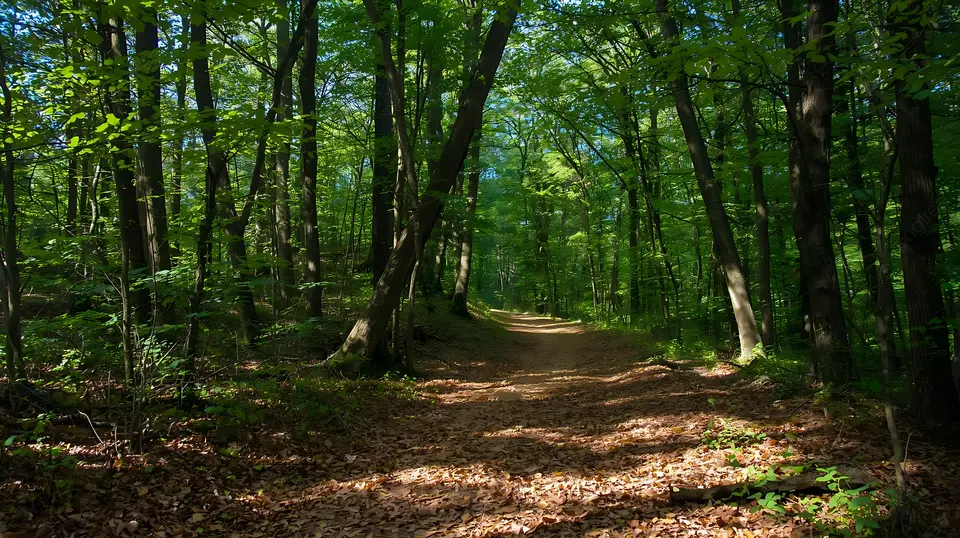
Lie beneath trees and observe the canopy above. Watch branches sway, light filter through leaves, and clouds pass between gaps.
Sit in stillness and identify layers of sound: birdsong, wind movement, water flow, insects, and the deep silence beneath it all.
Where permitted and safe, wander slowly without a fixed route. Let curiosity guide your steps and notice what draws your attention naturally.
Use the natural air quality and atmosphere of forested areas to deepen breathing practices.
Stand facing a tree at arm's length. Inhale as you look up toward branches, exhale as your gaze returns to the trunk base.
Match your breathing pace to the movement of branches above. Let the wind set your respiratory rhythm naturally.
Kneel close to moss-covered ground. Breathe in the cool, damp air rising from the earth. Notice the richness of forest floor scent.
Count steps per breath cycle. Try four steps in, hold for two steps, six steps out. Adjust to your natural comfort pace.
Each season transforms the forest environment. Adapt your practice to meet the qualities of the current landscape.
Observe emergence: buds opening, birdsong returning, soft ground after thaw. Practice gentle attention to small details of growth.
Full shade immersion under dense canopy. Focus on the cooling effect, filtered green light, and the hum of life at its peak.
Walk among falling leaves. Practice non-attachment by observing what the forest releases. Collect textures, notice decay as renewal.
Explore earthing-inspired techniques and sensory awareness exercises for daily outdoor restoration.
Grounding Practices